
Government Tomorrow SummitGet the Papers

Key talks

What was said in Berlin — and why it matters.

Summaries of the keynotes, panels and workshops, drawn from the GTF Summit Papers.
Resilience of Societies — a Democratic Imperative
KeynoteResilience

Resilience of Societies — a Democratic Imperative

Annegret Kramp-Karrenbauer

“Citizens who no longer feel safe become less willing to embrace change.”

The former German Defence Minister argued that resilience is not a military afterthought but a precondition for democratic reform: a society that feels exposed loses its appetite for change.

  • Security and openness to reform are two sides of the same coin.
  • Resilience must be built across society, not only inside defence institutions.
  • Trust is operational infrastructure — it has to be maintained before a crisis.
From Political Ambitions to Public Results
PanelState Capacity

From Political Ambitions to Public Results

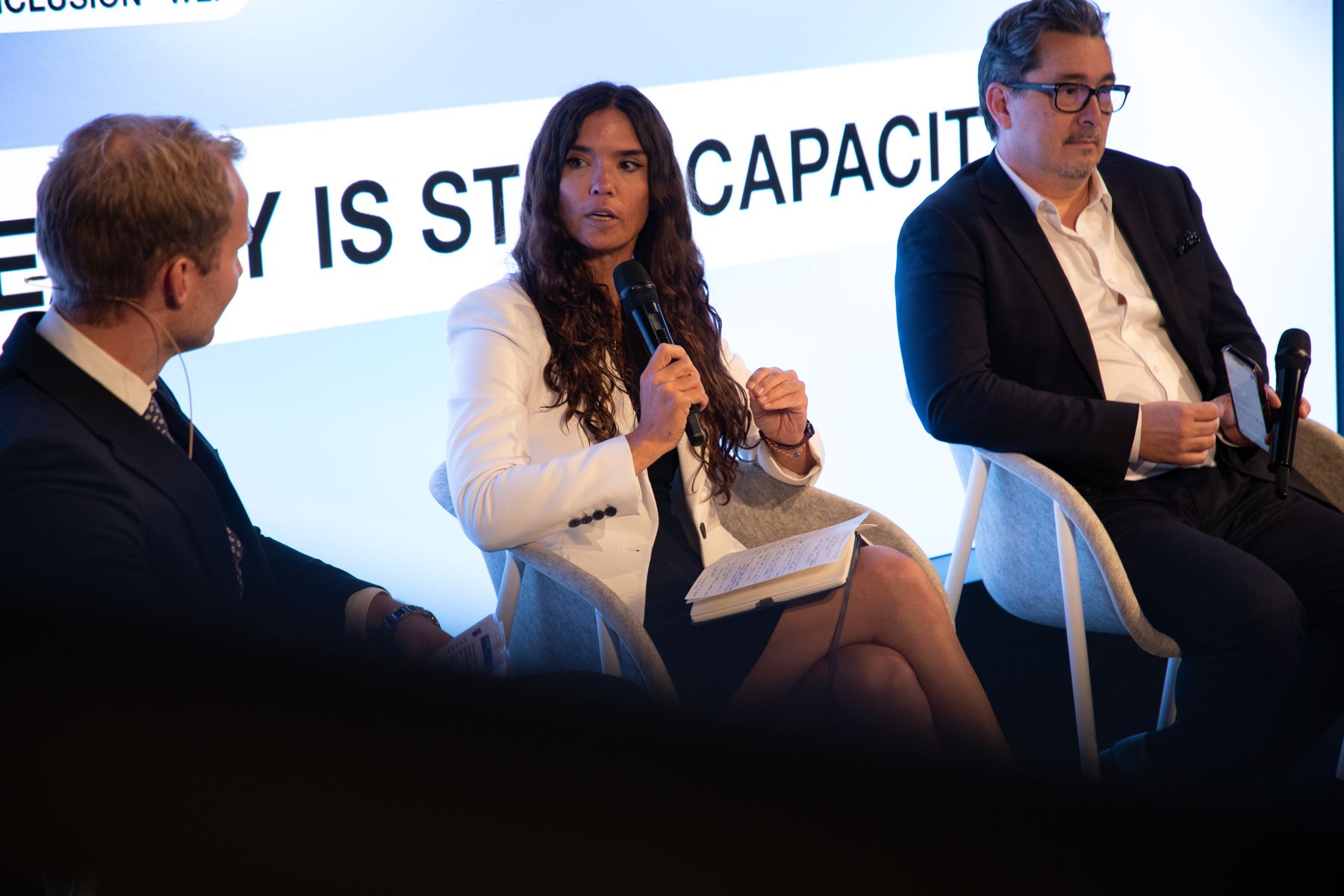
“What Really Is State Capacity” panel

State capacity is not how much power a government holds, but what it achieves with it. Panellists agreed there is no single measure of a capable State — and that digital transformation is becoming a discipline of statecraft.

  • There is no single measure of a capable State.
  • Capacity grows when knowledge becomes action — and action becomes lasting institutional improvement.
  • Governments must question their own procedures, not merely execute them efficiently.
Measuring What Really Matters
KeynoteState Capacity

Measuring What Really Matters

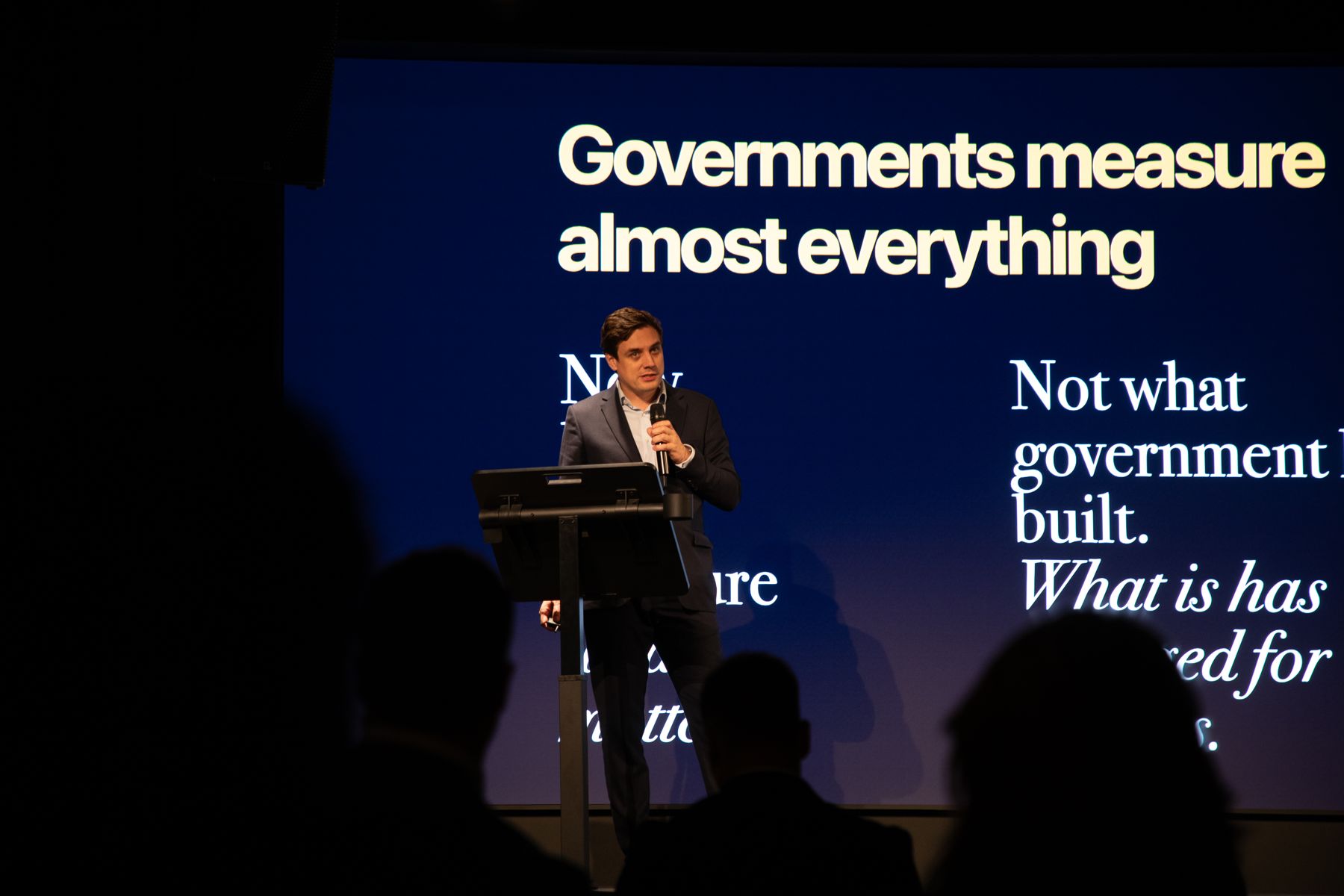
GTF Pathways keynote

“Governments measure almost everything. Not what government built — what has changed for citizens.”

The launch of GTF Pathways, a public-service evaluation system built on three pathways — Technology, Human-Centricity and Prosperity — and nine criteria, captured in a Government Service Passport.

  • Innovation is not progress: evaluate what actually makes people's lives better.
  • Excellent operational indicators can hide a service that creates little public value.
  • Structured inquiry matters more than more data.
The Invisible War Is Won Before It Becomes Visible
PanelResilience

The Invisible War Is Won Before It Becomes Visible

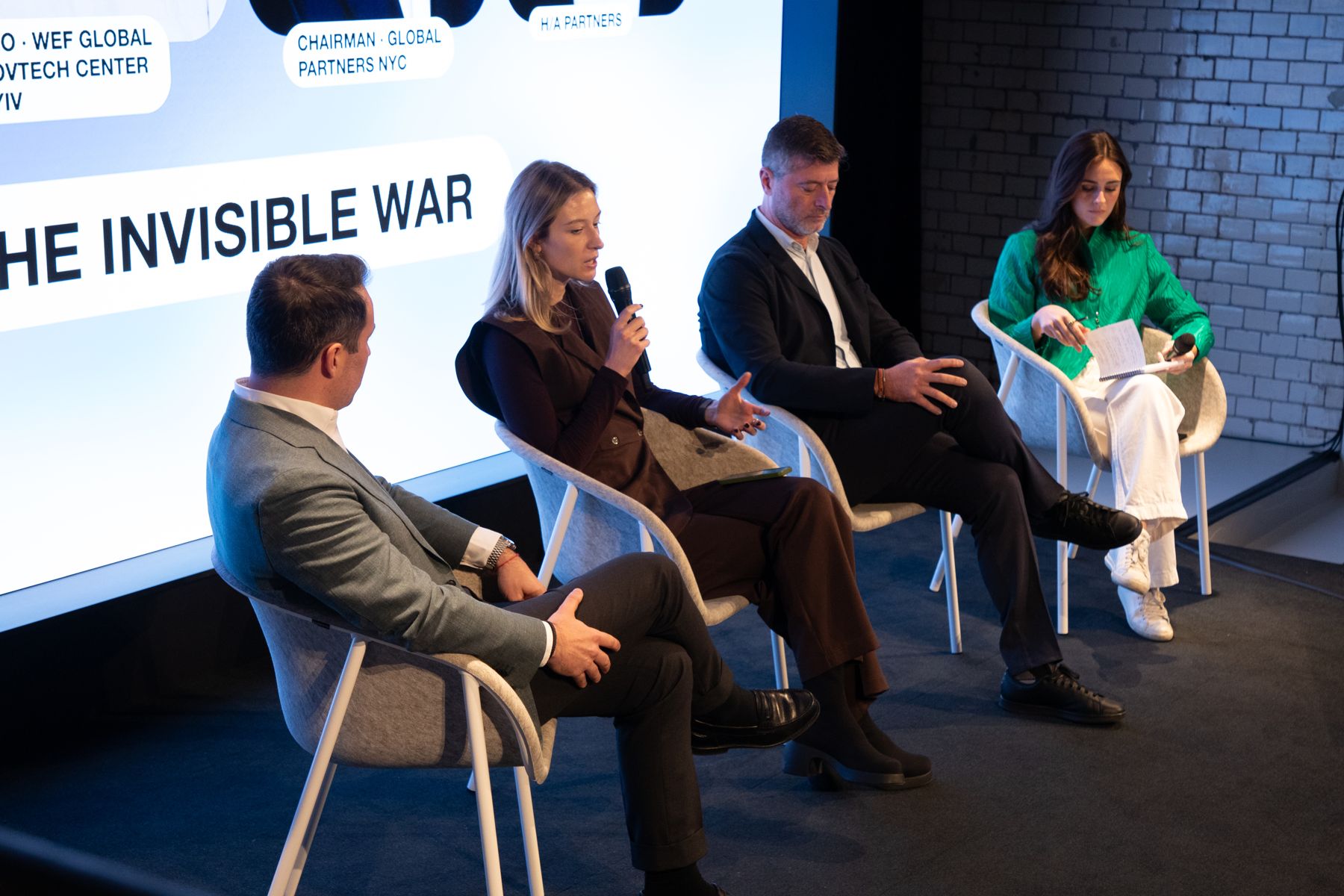
“The Invisible War” panel

Hybrid threats, disinformation and pressure on critical infrastructure are fought long before anyone declares a conflict. The panel explored how governments prepare for a war that rarely announces itself.

  • Authority must be assigned before urgency removes the time to ask permission.
  • Information and relationships are part of national defence.
  • A lesson becomes resilience only when it changes budgets, contracts or behaviour.
The Statecraft of the Digital Age
KeynoteTechnology

The Statecraft of the Digital Age

Manuel Kilian — keynote & book presentation

Digital transformation is no longer an IT project. Kilian presented the case for treating technology as a core discipline of statecraft — shaping how power is exercised and how institutions deliver.

  • Technology decisions are political decisions.
  • Digital sovereignty requires capable clients, not just capable vendors.
  • Architecture is a form of policy.
Government 3.0: the State Behind the Technology
PanelTechnology

Government 3.0: the State Behind the Technology

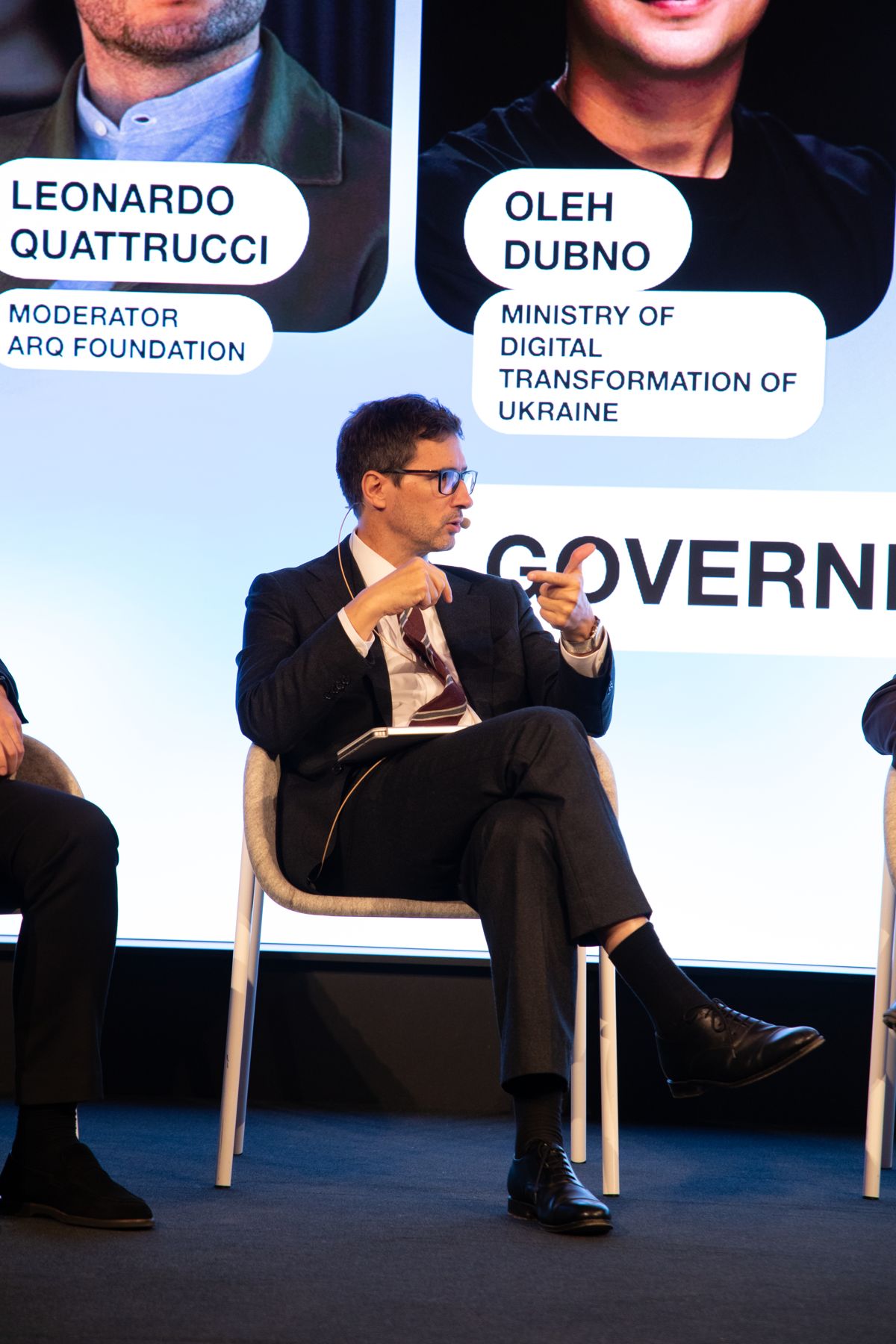
Government 3.0 panel, incl. Oleh Dubno (Ministry of Digital Transformation of Ukraine)

From Ukraine's wartime digital state to European platforms, the panel looked at the institutions, skills and political will that sit behind every successful government technology.

  • The State is not an app — technology works only when the institution behind it does.
  • Speed in a crisis comes from decisions made in peacetime.
  • Public trust is earned in delivery, not in launches.
Hey, Government! — the Agentic State Backbone
WorkshopTechnology

Hey, Government! — the Agentic State Backbone

Moderated by Alexandre Pointier

“I expect disagreement, particularly on where the public/private line sits. That disagreement, written down clearly, is the most useful thing we can hand to every government.”

Anchored by a live tech demonstration, the workshop moved quickly beyond AI's technical promise to the harder questions of trust, process reform, public procurement and political will.

  • Agentic AI exposes process problems that technology alone cannot fix.
  • Where the public/private line sits must be decided explicitly.
  • 12 ideas to take back to government came out of this room.
Will Governments Get Out of the Procurement Paradox?
WorkshopTechnology

Will Governments Get Out of the Procurement Paradox?

“What Will Governments Buy Tomorrow” workshop

Governments want innovation but buy as if risk could be eliminated. Participants unpacked the procurement paradox and produced a Know-The-Market self-assessment checklist.

  • Pilot projects and limited demonstrations de-risk innovation before full tenders.
  • Fragmented demand weakens the State as a buyer.
  • Procurement memory — what was bought, why, and how it went — is a strategic asset.
Resilience Is the Capacity to Continue
WorkshopResilience

Resilience Is the Capacity to Continue

“Beyond Defence” workshop

Resilience is continuity, not simply recovery. Practitioners worked on how a government defines its minimum viable state and designs degraded operation before normal systems fail.

  • Every government should define its minimum viable state.
  • Protect public outcomes, not only individual assets.
  • Design degraded operation before normal systems fail.
Why Governments Struggle to Learn From Their Mistakes
WorkshopState Capacity

Why Governments Struggle to Learn From Their Mistakes

“Let's Talk Failure” workshop

The opposite of failure is not necessarily success — and avoiding failure is not the same as improving. The workshop explored why institutional lessons stay with individuals instead of changing institutions.

  • Never let a good failure go to waste.
  • Blame-free reviews surface the decisions and constraints that shaped outcomes.
  • Lessons must be assigned an owner, or they evaporate.